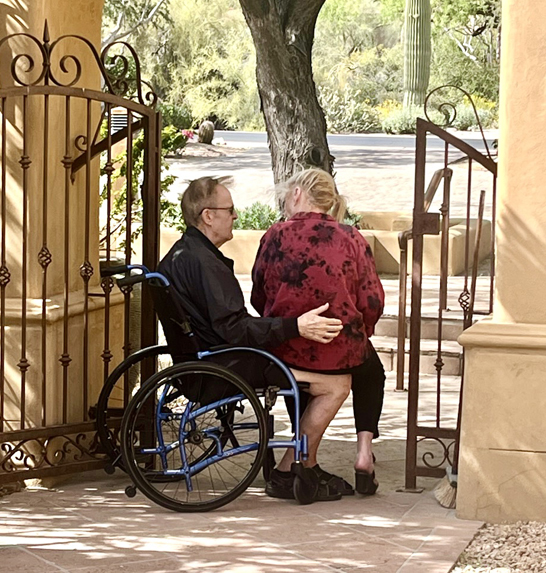
Acknowledging that your elderly parent or family member requires assistance at home can be an emotionally challenging decision. Ensuring their safety, well-being, and overall quality of life often depends on getting the right support. But how do you know when it’s time to consider hiring a caregiver? Here are key signs to help you assess whether it might be time to seek professional care for your loved one.
1. Struggling with Daily Activities
When your loved one can no longer handle daily tasks like dressing, cooking, taking medications, or maintaining personal hygiene without help, it’s a clear indication that they may need a caregiver. Basic activities like using the bathroom or moving around the house can become dangerous if they require assistance. During visits, take the opportunity to observe whether they are physically incapable of completing everyday chores or if they struggle due to lack of knowledge. Many seniors find it difficult to
manage on their own after losing a spouse or a primary caregiver.
2. You or Your Family Can’t Provide the Necessary Care
There may be times when personal schedules, financial constraints, or the level of care required by your senior family member become overwhelming. If the complexity of their needs is beyond what you or your family can manage, hiring a caregiver might be a necessary solution. In some cases, a transition to a long-term care facility could be the best option, especially if they have significant medical conditions like diabetes, vision problems, or are at risk of frequent falls. Falls are a major concern for older adults, as
one fall often leads to an increased risk of future falls.
3. Spending Too Much Time Alone
If your elderly loved one is frequently left alone, it can lead to safety hazards, such as the risk of falls or accidents. More importantly, prolonged isolation can contribute to feelings of loneliness and depression, which can affect their mental health. A caregiver can help ensure your loved one remains safe and connected, providing both physical support and necessary social interaction.
4. Dealing with an Injury or Illness
Seniors with chronic medical conditions, complicated medication regimens, or dietary restrictions need ongoing care and attention. When these health concerns arise, it’s vital that your loved one isn’t left alone for extended periods. Hiring a caregiver provides professional medical support, helping you and your family rest easy knowing they’re in capable hands.
Benefits of Hiring a Caregiver
One of the most significant advantages of hiring a caregiver is the ability to allow your loved one to remain in the comfort of their own home. Many seniors resist the idea of moving to a nursing home or facility, making in-home care a desirable option. A caregiver can ensure your loved one’s needs are met while they stay in a familiar environment, providing you with peace of mind that they’re safe, well-cared for, and happy.
In these challenging situations, knowing when to seek professional help can be key to ensuring your loved one’s well-being, allowing them to live as comfortably and independently as possible for as long as they can.